Banff National Park Travel Guide: Access, Seasons & Planning Tips
Banff National Park Travel Guide: Access, Seasons & Planning Tips
Banff National Park may look straightforward on a map, but visiting its most popular places requires more planning than many first-time travellers expect. Established in 1885, Banff National Park is Canada’s oldest national park and forms part of the Canadian Rocky Mountain Parks UNESCO World Heritage Site in Alberta’s Canadian Rockies. Its mountain scenery, glacial lakes, hiking trails and easy access from Calgary make it one of the country’s most popular outdoor destinations.
That popularity also affects how a Banff trip works in practice. Parking at Lake Louise is limited, Moraine Lake Road is closed to personal vehicles year-round, shuttle reservations can sell out, and seasonal conditions can change which roads and trails make sense for your itinerary.
For that reason, planning around transportation, access and timing is often more useful than simply listing the attractions you want to see.
This Banff National Park travel guide explains how to get there, how transportation works, when to visit, what to know about Lake Louise and Moraine Lake, where to stay, and whether independent travel or a guided Canadian Rockies tour makes more sense for your trip.
What Makes Banff National Park Different From Other Canadian Parks
Banff combines protected mountain wilderness with an unusually developed visitor network. The park includes the town of Banff, the community of Lake Louise, major highways, public transit, hotels, ski areas, restaurants and some of the Canadian Rockies’ most visited natural attractions.
That infrastructure makes the park accessible, but it should not be confused with unlimited flexibility. Parks Canada manages busy destinations through parking controls, transit systems, seasonal restrictions and other measures intended to protect the park while handling high visitor demand.
Scale, Access and Visitor Management
Banff covers far more than the townsite and its immediately surrounding attractions. Travellers may move between Banff, Lake Louise, the Bow Valley Parkway and the Icefields Parkway, with significant distances between stops.
At the same time, demand is concentrated around a relatively small number of famous destinations. Lake Louise and Moraine Lake are the clearest examples.
A common planning mistake is assuming you can drive to every major attraction, find parking and adjust the itinerary spontaneously. That approach is increasingly unreliable during the busiest months.
For a smoother trip, make your transportation decisions before finalizing the daily sightseeing schedule. If Lake Louise or Moraine Lake is a priority, determine how you will reach them before building the rest of the itinerary around those visits.
Banff vs Jasper vs Yoho: Which Park Fits Your Trip?
Banff, Jasper and Yoho all offer exceptional Rocky Mountain scenery, but they work differently for travellers.
Banff offers a particularly wide range of visitor services, accommodation, restaurants, organized activities and transportation options. Its proximity to Calgary also makes it practical for first-time visitors or travellers with limited time.
Jasper can suit travellers who want a different base farther north in the Rockies and are building a longer road trip. Yoho National Park, immediately west of Banff in British Columbia, works particularly well as part of a broader Rockies itinerary rather than as a substitute for every Banff experience.
For many first-time visitors to Western Canada, Banff remains a logical starting point, but its popularity means that key parts of the trip need to be planned in advance.
How to Get to Banff National Park and Get Around
Banff National Park is accessible year-round via the Trans-Canada Highway, and Calgary is the main gateway for most travellers arriving by air. Once inside the park, however, you do not necessarily need a rental car for every part of your visit.
A combination of airport transfers, local transit, Parks Canada shuttles and organized tours can sometimes be more practical than driving, particularly during peak summer periods.
Getting from Calgary to Banff
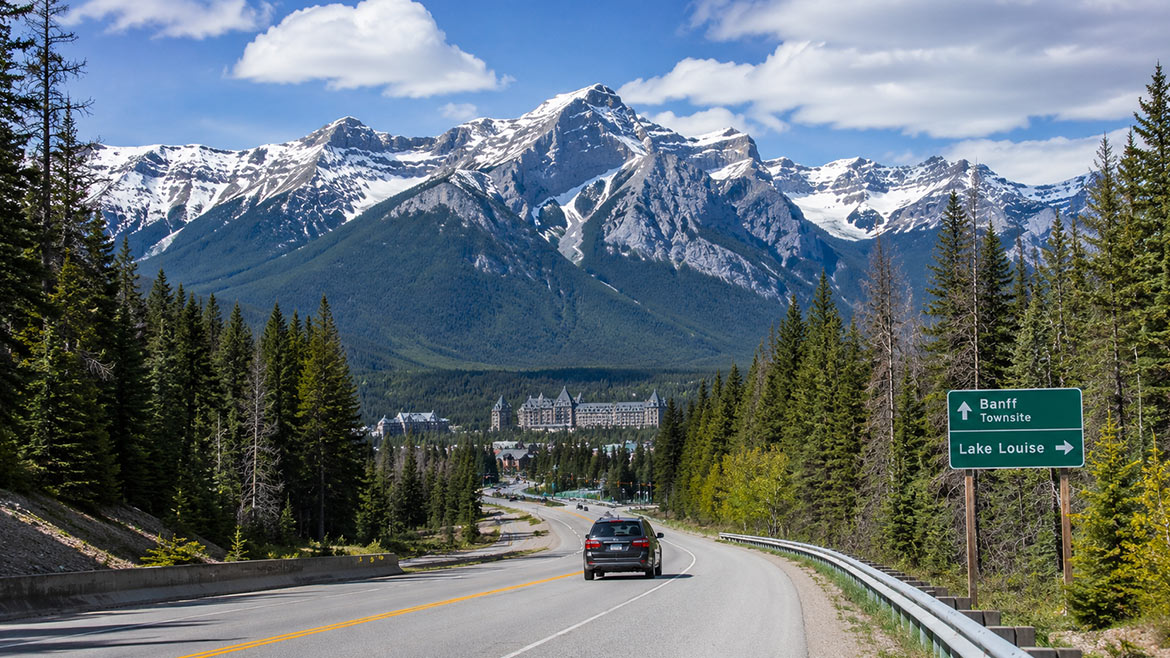
Calgary International Airport (YYC) is the main airport gateway for travellers flying to Banff. Banff is approximately 130 kilometres from the airport, and the drive normally takes around 90 minutes in favourable conditions.
That estimate should be treated as a baseline rather than a guaranteed journey time. Traffic, road construction, winter conditions, collisions and other disruptions can extend the trip.
Travellers arriving after a long flight should also think carefully before scheduling an important timed activity immediately after landing. Allowing some flexibility on arrival day reduces the risk of a flight or road delay affecting a reservation later in the day.
Visitors who do not want to rent a vehicle can use scheduled airport shuttle services, private transfers or other transportation between Calgary and Banff.
Using Public Transit and Shuttles in Banff
Public transportation is more useful in Banff than many first-time visitors expect. Roam Public Transit operates routes within the Bow Valley and provides service between Banff and Lake Louise, while Parks Canada operates seasonal shuttle services for the Lake Louise and Moraine Lake area.
Roam Route 8X provides year-round service between Banff and Lake Louise, with reservations recommended during the summer. Schedules, fares and reservation requirements can vary by season, so travellers should check current information before travelling.
A rental car still has advantages for certain itineraries, especially when exploring less transit-oriented areas. But for the busiest destinations, having a car does not necessarily improve access.
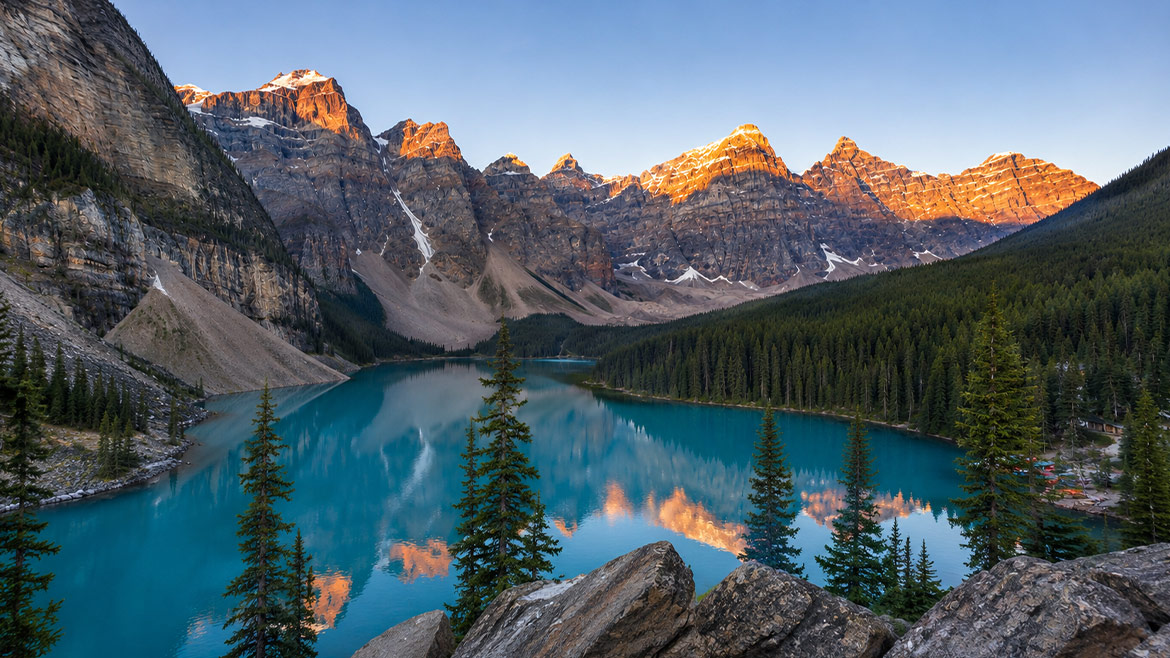
Moraine Lake Access Rules
Moraine Lake is one of the most important places to plan in advance.
Moraine Lake Road is closed to personal vehicles year-round. Visitors generally reach the lake using Parks Canada shuttles, eligible Roam connections or licensed commercial transportation. An exception applies to registered guests of Moraine Lake Lodge, subject to the applicable access rules.
For the 2026 season, Parks Canada shuttle service to Moraine Lake is scheduled from June 1 to October 12, weather permitting. Parks Canada shuttle reservations are required.
During the operating season, eligible Parks Canada shuttle passengers can use the Lake Connector to travel between Lake Louise and Moraine Lake on the same day.
Travellers hoping to see Moraine Lake around sunrise should not assume that normal daytime transportation will work. Parks Canada currently offers specific Alpine Start departures during the operating season, and private commercial operators may have separate schedules. Availability and operating arrangements can change from year to year.
Choosing Between Self-Drive, Transit and a Guided Tour
There is no single best transportation method for every Banff itinerary. Your choice should depend on the places you want to visit, the season, your available time and how comfortable you are coordinating reservations.
Before choosing your transportation, consider:
- whether Lake Louise and Moraine Lake are priorities;
- whether your preferred transportation requires advance reservations;
- how much driving your itinerary involves;
- whether you are comfortable driving in mountain or winter conditions;
- where your accommodation is located;
- how much flexibility you need; and
- whether an organized tour already includes transportation to key stops.
For short summer visits, using transit or a guided tour for the busiest attractions can be more efficient than trying to drive everywhere.
Best Time to Visit Banff National Park
There is no universal best month to visit Banff. The right season depends on whether your priorities are hiking, accessible alpine lakes, skiing, lower visitor numbers, photography or a broader Canadian Rockies road trip.
Weather in the mountains can also change quickly, so travellers should check current road, trail, wildfire and weather conditions rather than relying only on typical seasonal patterns.
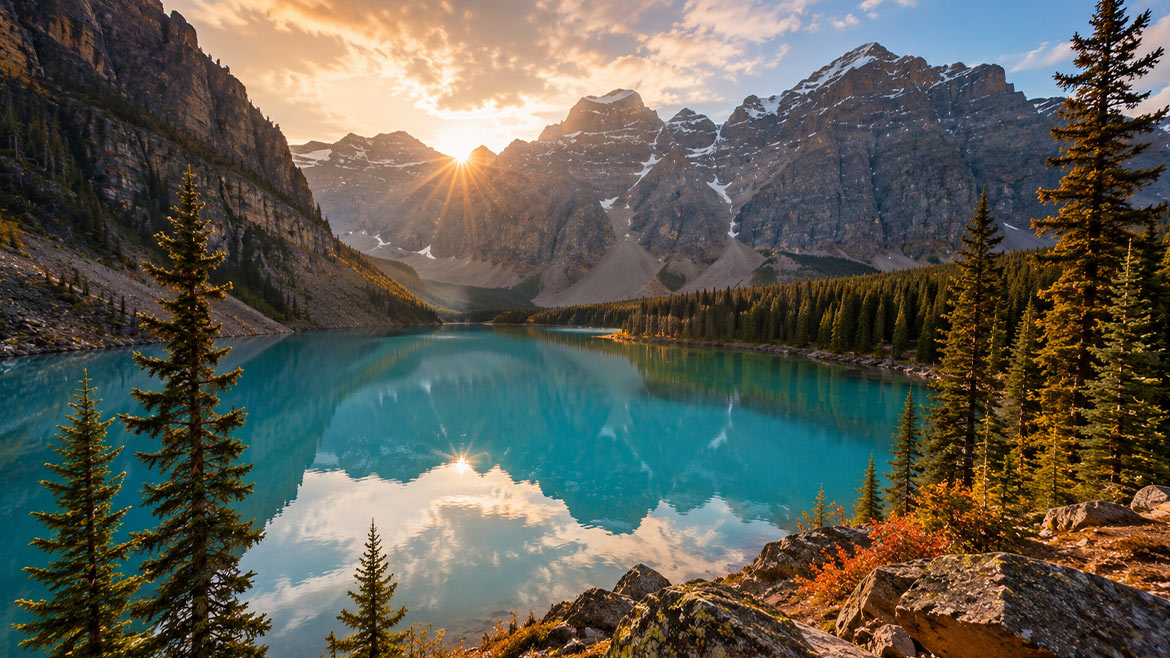
Summer in Banff: June to September
Summer provides the broadest access to Banff’s classic sightseeing experiences. Hiking opportunities expand as snow melts, seasonal transportation operates to high-demand areas, and the long daylight hours make it easier to build full sightseeing days. It is also the busiest period.
Lake Louise, Moraine Lake and other popular areas require careful transportation planning. Accommodation demand is high, and reservations for popular activities and shuttle services can be competitive.
Wildfire smoke can also affect air quality and visibility in the Canadian Rockies during some summers. The timing and severity cannot be predicted far in advance, so travellers should monitor official conditions close to their trip rather than assuming clear mountain views every day.
Summer works particularly well for first-time visitors who want the widest range of hiking, lake and sightseeing options and are comfortable planning key parts of the trip ahead.
Spring and Autumn in Banff
April, May and October can provide quieter periods, but describing them simply as less-crowded versions of summer can be misleading.
Conditions vary considerably with elevation. Snow and ice may remain on trails after temperatures have become mild in town, while seasonal attractions, roads, transportation and hiking routes may not yet be operating—or may already have finished for the year.
Moraine Lake is especially important to consider. Road access and shuttle operations are seasonal, so travellers visiting outside the operating period should not build an itinerary around reaching the lakeshore.
These months can work well for flexible travellers who value fewer crowds and changing seasonal landscapes more than having access to every classic summer experience.
Winter in Banff
Winter transforms Banff rather than shutting it down. The region becomes a major ski destination, with Banff Sunshine Village and Lake Louise Ski Resort among the best-known ski areas accessible from the park.
Non-skiers can still enjoy Banff townsite, winter scenery and a range of seasonal activities, but winter itineraries require a different approach from summer trips.
Road conditions can change quickly, daylight hours are shorter, some hiking routes become unsuitable without winter skills or equipment, and certain seasonal services are unavailable.
Anyone planning to drive should check current highway conditions and vehicle requirements before departure and be prepared for mountain winter conditions.
A winter visit is particularly suitable for travellers who actively want snow, skiing or a cold-weather Rockies experience rather than simply hoping to reproduce a summer itinerary in another season.
Banff by Season at a Glance
Seasonal differences affect both what you can do and how much advance planning is necessary.
| Season | Typical Access | Visitor Demand | Best Suited To |
| Summer | Broadest access | High | First-time visits, hiking, lakes and sightseeing |
| Spring | Variable | Generally lower | Flexible itineraries and quieter travel |
| Autumn | Variable, especially later in the season | Moderate to lower | Scenery, photography and flexible trips |
| Winter | Winter-specific access | Varies | Skiing, snow activities and winter scenery |
Always check current Parks Canada conditions shortly before travelling. Mountain weather, wildfire activity, trail closures and transportation schedules can change the practical experience considerably.
Key Places to Visit in Banff National Park
A first Banff itinerary often revolves around Lake Louise, Moraine Lake, Banff townsite and one or more scenic drives. The challenge is not finding places worth visiting; it is combining them without spending too much of the day driving, parking or waiting for transportation.
Grouping attractions geographically is usually more efficient than ranking them by popularity and visiting them in that order.
Lake Louise
Lake Louise is one of Banff National Park’s most visited destinations and requires planning during the peak season.
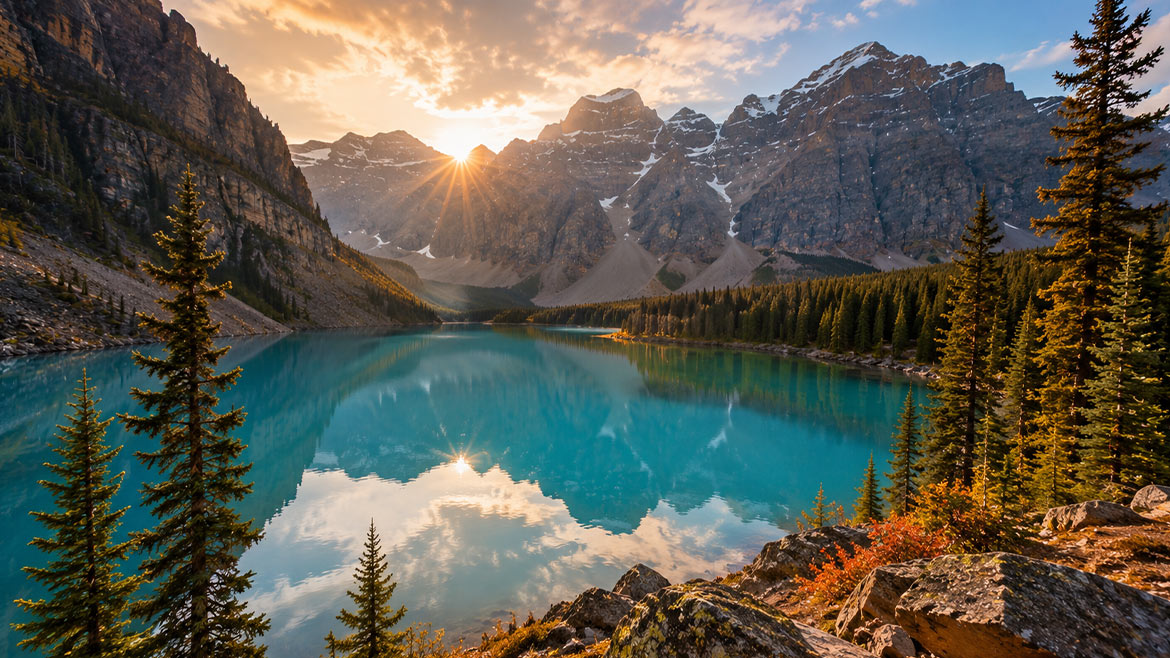
Personal vehicles can still access the Lake Louise lakeshore, but parking is limited and highly competitive. Parks Canada advises visitors that the lakeshore parking lot commonly fills by sunrise and remains full during daylight hours in summer.
During the 2026 shuttle season, paid parking applies at Lake Louise Lakeshore from May 15 to October 12. Rather than depending on finding a parking space, Parks Canada recommends reserving its shuttle or using Roam Public Transit.
The Parks Canada Park and Ride is located at the Lake Louise Ski Resort for shuttle reservation holders.
If Lake Louise is a priority, secure your transportation first and treat driving directly to the lakeshore as a less predictable option during busy periods.
Moraine Lake
Moraine Lake requires even more deliberate planning because private vehicles cannot use Moraine Lake Road.
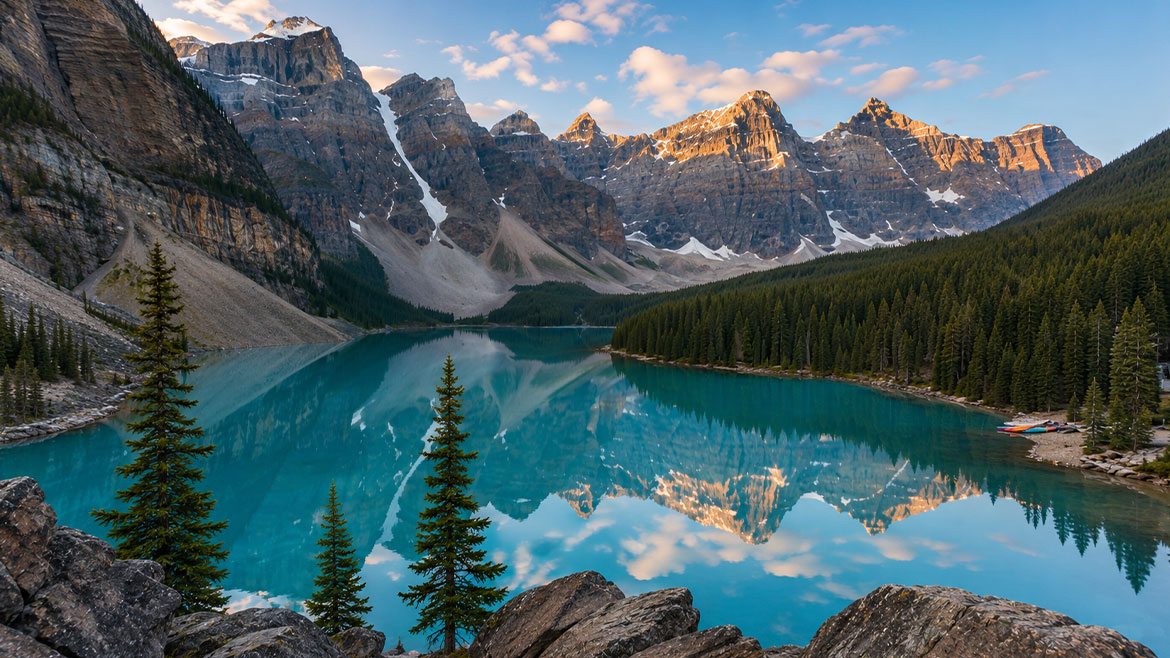
For 2026, Parks Canada shuttle service is scheduled from June 1 through October 12, weather permitting. Reservations are required, and some inventory is released in advance while additional seats are released closer to departure.
Travellers using eligible Roam options or licensed commercial operators have alternatives to the Parks Canada shuttle, but each system has its own booking rules.
It is also worth remembering that Moraine Lake is a mountain destination with limited services. Visitors should arrive prepared rather than expecting the same facilities available in Banff townsite.
Icefields Parkway
The Icefields Parkway, Highway 93 North, runs from the Lake Louise area toward Jasper and passes through some of the Canadian Rockies’ most dramatic high-mountain landscapes.
The drive itself is part of the experience, with viewpoints, trailheads and scenic stops that can easily turn the journey into a full sightseeing day. Weather can also affect conditions along the route, even when the weather elsewhere in the region appears manageable.
Travellers continuing toward Jasper should check current road conditions and closures before departure.
For visitors with only a short time in the Rockies, a guided route can reduce the amount of navigation and itinerary management required. Independent travellers, however, can also enjoy the parkway effectively if they allow enough time and avoid overloading the day with too many stops.
Banff Townsite and Nearby Attractions
Banff townsite is a convenient base for exploring the park, with restaurants, shops, visitor services and easy access to several nearby attractions and outdoor areas.
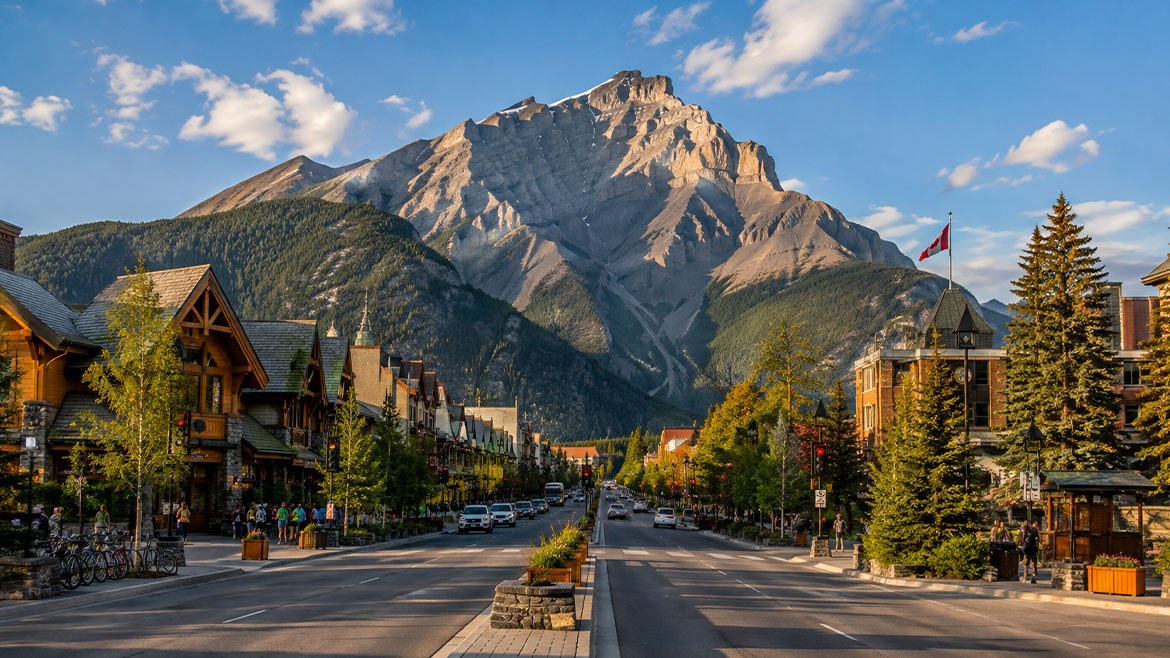
Depending on your interests and the season, a Banff itinerary may include places such as the Cave and Basin National Historic Site, Bow Falls, viewpoints around the townsite and Banff Upper Hot Springs.
Operating hours, admission requirements and seasonal conditions vary by attraction, so check current information before building a tightly timed schedule.
Independent Travel vs Guided Tours in Banff
Banff can be visited independently, and many travellers do exactly that. The more useful question is whether independent travel is the best use of your time for the particular itinerary you are planning.
A longer trip with a rental car and several flexible days is very different from trying to see Banff’s major highlights during a short visit.
What an Independent Banff Trip Requires
Independent travel gives you control over your schedule, accommodation and daily priorities. That flexibility is valuable, particularly for experienced road-trippers and travellers planning longer stays.
However, a successful independent trip may require coordinating several separate elements.
Depending on your itinerary, these can include:
- a valid national park entry pass;
- accommodation reservations;
- Parks Canada or Roam transportation reservations;
- parking arrangements;
- seasonal road and trail information;
- activity bookings; and
- contingency plans for weather or changing conditions.
Independent travel offers the most flexibility when these key arrangements are made in advance.
What a Guided Banff or Canadian Rockies Tour Can Simplify
A well-organized guided tour can take much of the transportation and scheduling work off the traveller’s hands.
Depending on the operator and itinerary, a tour may coordinate transportation, sightseeing order, accommodation and access to specific attractions or stops. This can be particularly useful for first-time visitors, travellers who do not want to drive, and people trying to see several Rockies highlights in a limited number of days.
However, travellers should not assume that every tour automatically includes access to every destination. Before booking, confirm exactly which attractions, park fees, transfers, reservations and activities are included.
Guided travel is not inherently better than independent travel. Its main advantage is logistical simplicity when the itinerary would otherwise require multiple reservations and transportation arrangements.
DIY Banff Trip vs Guided Rockies Tour
The practical differences become clearer when comparing the two approaches.
| Factor | Independent Trip | Guided Tour |
| Daily schedule | Traveller controls it | Usually pre-planned |
| Driving | Usually traveller’s responsibility | Often included |
| Shuttle planning | May require separate bookings | May be coordinated, depending on itinerary |
| Flexibility | High when reservations allow | Depends on tour format |
| Local guidance | Self-researched | Usually included |
| Best suited to | Flexible, confident planners | First-time or time-limited travellers |
Before choosing, compare the actual itinerary rather than assuming that “guided” means everything is included or that “independent” means complete spontaneity.
How to Book and Plan a Banff National Park Trip
The order in which you book a Banff trip matters. Accommodation is important, but it should not be considered in isolation from transportation and the attractions you most want to visit.
Start with your non-negotiable experiences, determine how they can be accessed during your travel dates, and then build accommodation and the rest of the itinerary around those constraints.
National Park Passes and Entry Requirements
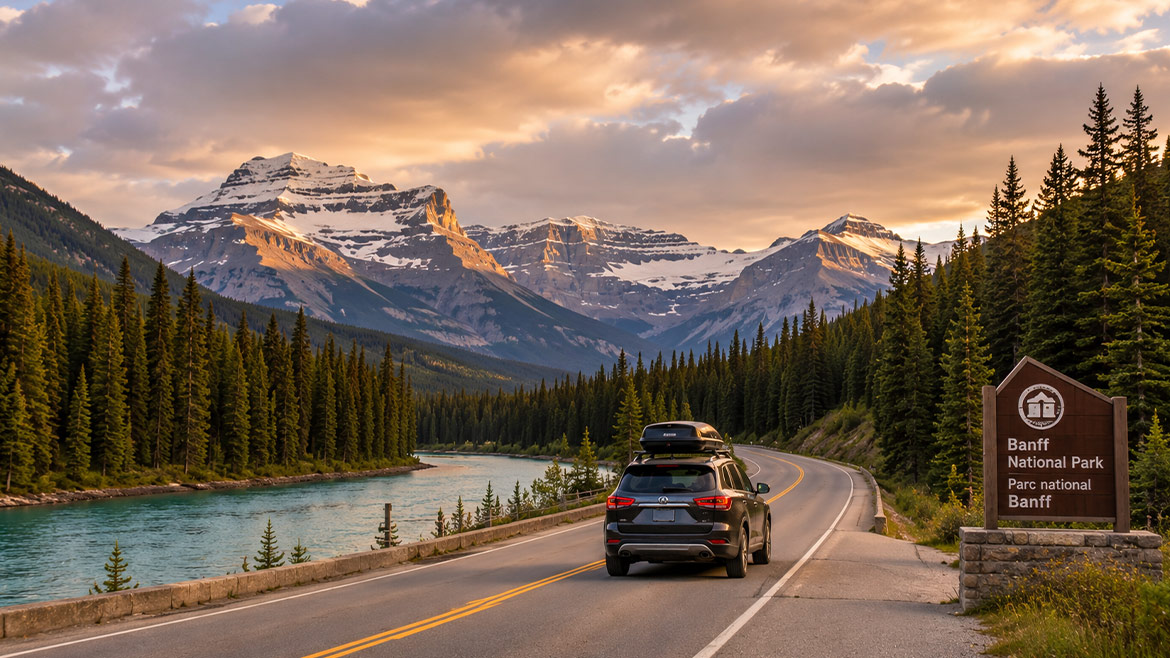
Visitors who stop in Banff National Park generally need valid national park admission, although temporary Parks Canada admission programs or exemptions may apply. For 2026, the Canada Strong Pass provides free admission from June 19 to September 7.
For most travellers, the choice is between daily admission and a Parks Canada Discovery Pass. A Discovery Pass provides admission to participating Parks Canada-administered places for 12 months and can make sense when the length or scope of your trip justifies it.
If you are joining an organized tour, check whether park admission is included before buying a separate pass.
Admission programs and fees can change, so verify current Parks Canada information for your travel dates.
Where to Stay: Banff, Lake Louise or Canmore
Accommodation location affects how your trip feels and how much daily transportation you need.
Banff townsite offers the largest concentration of visitor services within the park and is a practical base for travellers who want restaurants, transit and a central location.
Lake Louise places you closer to the northern part of Banff National Park and can be convenient when your itinerary concentrates on Lake Louise, nearby hiking or onward travel toward the Icefields Parkway. Accommodation choices are more limited than in the broader region.
Canmore lies outside Banff National Park, east of the park boundary. It has a substantial range of accommodation and dining options and is often used as an alternative base. The trade-off is additional travel time when your sightseeing is concentrated inside Banff National Park.
There is no universally superior base. Choose according to your daily route rather than accommodation price alone.
Why Advance Planning Matters
For high-demand Banff experiences, arriving early is not a substitute for having the correct reservation.
This is especially important at Moraine Lake, where personal vehicles cannot simply arrive early and drive to the lakeshore. Lake Louise also requires more planning than in the past because parking demand is high and shuttle reservations are the more dependable option during busy periods.
Before confirming your trip, review:
- your travel dates and seasonal access;
- how you will reach Lake Louise and Moraine Lake;
- park admission requirements;
- accommodation location;
- road and trail conditions relevant to your itinerary;
- activity reservations;
- realistic driving times; and
- cancellation or change policies for important bookings.
Coordinating these details from the start can help you avoid scheduling conflicts and unnecessary changes later.
Practical Banff National Park Visitor Tips
Even a carefully planned Banff itinerary should leave room for changing mountain conditions. This is a mountain environment where weather, wildfire conditions, wildlife activity and operational restrictions can affect plans.
A few simple precautions can make it easier to adapt when conditions change.
Check Parks Canada’s current conditions and important bulletins before and during your visit. Do not rely exclusively on an itinerary created months earlier.
Avoid scheduling every day from early morning until evening with no buffer. A delayed shuttle, busy trailhead or changing weather can have a knock-on effect on the rest of the day.
Never stop unsafely on roads to photograph wildlife. Maintain the required distance from animals and follow Parks Canada wildlife guidance.
Recreational drone use is prohibited in Banff National Park. Authorized commercial or other permitted drone operations require the appropriate Parks Canada authorization.
Travellers should not assume that scenic locations are legal drone-flying areas.
Finally, remember that mountain conditions can differ significantly from conditions in Calgary or even Banff townsite. Carry appropriate clothing and check the conditions for the specific area you plan to visit.
How Long Should You Spend in Banff?
The right length of stay depends on how Banff fits into the rest of your Canadian Rockies itinerary. A day trip can provide an introduction, but it leaves little room for transportation delays, hiking or changes in weather.
For most first-time visitors, several days provide a better balance.
With two to three days, you can usually focus on Banff townsite and nearby sights, Lake Louise and Moraine Lake when seasonally accessible, plus selected scenic stops.
Four or more days allow more room for hiking, weather flexibility, slower sightseeing and excursions along routes such as the Icefields Parkway.
If Banff is part of a larger Western Canada itinerary, avoid judging the trip only by how many attractions you can fit into each day. Distances in the Rockies are meaningful, and scenic stops frequently take longer than expected.
Is Banff National Park Right for You?
Banff is a good fit for travellers who want iconic Canadian Rockies scenery alongside well-developed visitor services and a wide range of outdoor activities.
It is particularly practical for first-time visitors to Alberta and travellers combining Calgary with a wider Rockies itinerary.
Travellers Who May Benefit Most From Banff
Banff is a strong choice for first-time visitors who want to experience the Canadian Rockies without travelling to a remote wilderness destination.
It can also suit:
- travellers with a limited number of days in Western Canada;
- visitors who prefer established hotels, restaurants and tourism services;
- travellers who want a combination of sightseeing and outdoor activities;
- visitors who prefer using transit or organized transportation for some attractions; and
- travellers building a route through Banff, Lake Louise and other parts of the Canadian Rockies.
Banff suits many different travel styles, but your itinerary should be based on your interests, available time and preferred pace rather than a generic list of attractions.
When Another Rockies Destination May Suit You Better
Banff is not automatically the right choice for every traveller.
If your main priority is solitude, minimal infrastructure or a highly spontaneous road trip, other parts of the Canadian Rockies may suit your expectations better. Travellers with more time may also prefer to combine Banff with Jasper, Yoho or other destinations instead of spending the entire trip in one park.
The more useful question is whether Banff fits your available time, season, transportation preferences and overall Canadian Rockies itinerary.
Planning Banff With Alaedin Travel Canada
A Banff trip is easier to organize when accommodation, transportation and sightseeing are planned together.
Alaedin Travel Canada can help travellers incorporate Banff into a broader Canada journey, whether the preferred approach is an organized tour, a customized itinerary or travel arrangements built around other destinations in Western Canada.
Depending on your itinerary, we can help coordinate accommodation, transportation and tour arrangements while accounting for seasonal access and realistic travel times.
For travellers comparing independent travel with a guided Canadian Rockies itinerary, the most useful starting point is to identify the experiences that matter most and the amount of planning and driving you are comfortable managing yourself.
A well-designed Banff itinerary should give you enough structure to reach the places you came to see without making every day feel dictated by the schedule.
Frequently Asked Questions About Banff National Park
Planning questions about Banff often centre on transportation, park admission, Lake Louise, Moraine Lake and the best season to travel. The answers below cover the practical issues first-time visitors are most likely to encounter.
Is Banff National Park easy to visit independently?
Yes. Banff has good tourism infrastructure and can be visited independently, but popular areas require advance planning. During busy periods, transportation reservations, parking limitations and accommodation availability can significantly affect your itinerary.
Do I need a Discovery Pass to visit Banff National Park?
Not necessarily. Visitors who stop in the park generally need valid national park admission, but this can be daily admission rather than a Discovery Pass. A Discovery Pass may offer better value depending on how long you are visiting Parks Canada places. Check whether admission is already included if travelling with a tour operator.
Can you drive to Lake Louise?
Yes, personal vehicles can drive to Lake Louise Lakeshore, but parking is limited and fills very early during busy periods. Parks Canada recommends reserving a shuttle or using Roam Public Transit rather than relying on finding lakeshore parking.
Can you drive to Moraine Lake?
No. Moraine Lake Road is closed to personal vehicles year-round. Access is available through approved options such as Parks Canada shuttles, eligible transit services and licensed commercial operators, with limited exceptions under Parks Canada rules.
When can you visit Moraine Lake?
Access is seasonal and weather-dependent. For 2026, Parks Canada shuttle service is scheduled from June 1 to October 12. Travellers visiting outside the operating season should not assume that the lakeshore will be accessible.
Do I need to reserve the Parks Canada shuttle?
Yes. Reservations are required for Parks Canada shuttle service to Lake Louise and Moraine Lake. Availability can be competitive, so check the current reservation release schedule when planning your trip.
What is the best time of year to visit Banff National Park?
For travellers wanting the broadest access to lakes, hiking and summer sightseeing, June through September is generally the most practical period. Spring and autumn can offer fewer visitors but more variable access, while winter is ideal for travellers specifically interested in skiing, snow and winter scenery.
How many days do you need in Banff?
Two to three days can cover several major highlights, while four or more days provide more time for hiking, scenic drives and weather flexibility. A single day is possible but requires a much more selective itinerary.
How far is Banff from Calgary?
Banff is approximately 130 kilometres from Calgary International Airport, with a typical driving time of about 90 minutes in favourable conditions. Traffic, construction and winter weather can increase travel time.
Is a car necessary in Banff?
No. Visitors can reach Banff from Calgary by shuttle or transfer and use Roam Public Transit, Parks Canada shuttles and organized tours for many popular destinations. A car is useful for some itineraries, but it does not provide unrestricted access to places such as Moraine Lake.
Is a guided tour worth it in Banff?
It can be, particularly for first-time visitors, travellers who do not want to drive, or short itineraries where efficient routing matters. Compare what each tour actually includes, especially transportation, park admission and access to high-demand attractions
Can you visit Lake Louise and Moraine Lake on the same day?
Yes, during the seasonal operating period this can be practical. Parks Canada’s shuttle system includes a Lake Connector between Lake Louise and Moraine Lake for eligible shuttle passengers, making a combined visit easier to organize.
Is Banff open year-round?
Banff National Park is a year-round destination, but individual roads, trails, attractions, transportation services and facilities can be seasonal. Always check current conditions for the specific places on your itinerary.
Final Thoughts on Planning a Banff National Park Trip
Banff National Park deserves its reputation as one of Canada’s essential mountain destinations, but the best trips are built around practical access rather than a checklist of famous photographs.
Decide first when you want to travel, which places matter most and how you will reach them. Then choose accommodation, transportation and activities that support that plan. Lake Louise and Moraine Lake deserve particular attention because their access arrangements can shape an entire day.
Whether you explore independently or join a guided Canadian Rockies tour, leave enough flexibility for mountain conditions and confirm current Parks Canada information before travelling. In Banff, good planning leaves you with more time to enjoy the park instead of spending your day solving transportation and access problems.
Tours
Eastern Canada Tour – 7 Days / 6 Nights
$950.00 /starting at
Eastern Canada Tour – 9 Days / 8 Nights
$1,790.00 /starting at
Vancouver Victoria Whistler Tour – 5 Days / 4 Nights
$2,990.00 /starting at
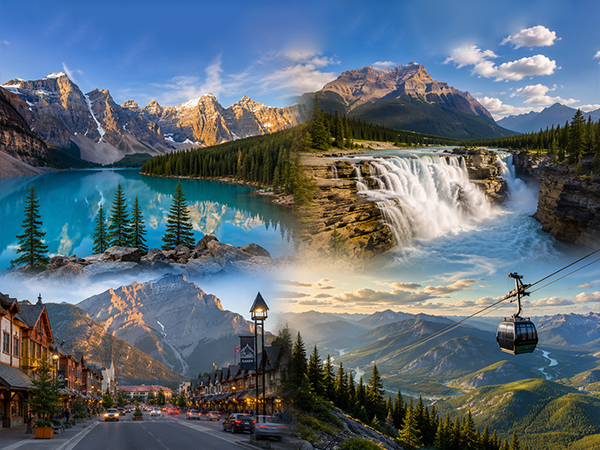
Banff, Lake Louise & Canadian Rockies Tour – 4 Days / 3 Nights
$2,990.00 /starting at
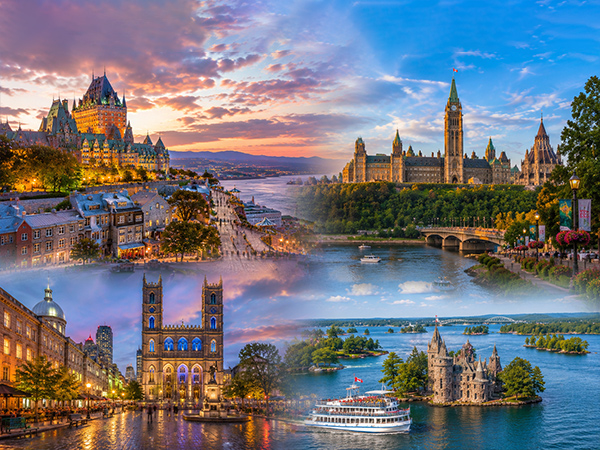
Quebec, Montreal & Ottawa 5-Day Tour – 5 Days / 4 Nights
$1,199.00 /starting at
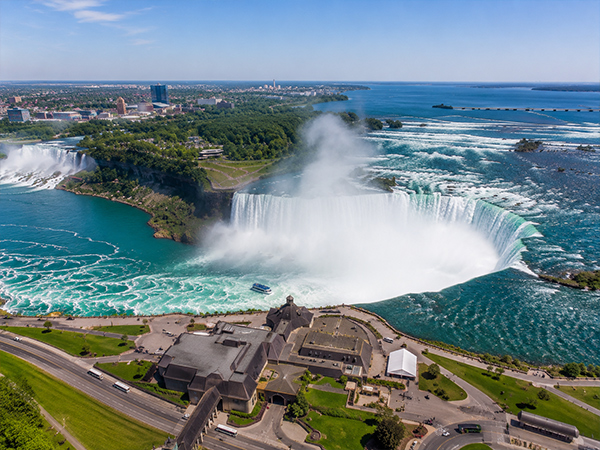
Niagara Falls One-Day Tour
$ /starting at
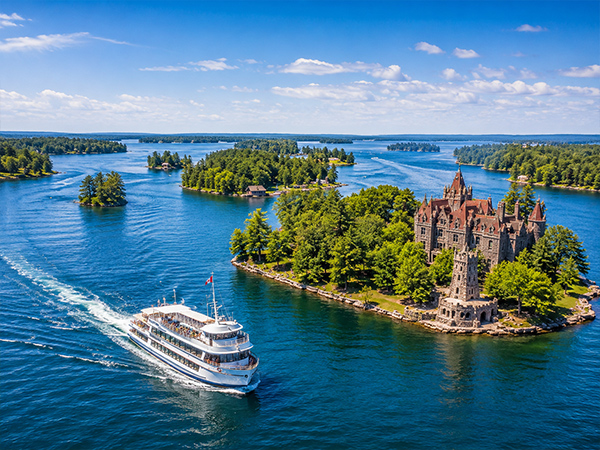
1000 Islands One-Day Tour
$ /starting at